Vehicle
Classic Car Long-Term Storage: Battery Tenders, Tires, and the Annual Drive
Collector cars do not like sitting still. Every system in a car — engine, drivetrain, electrical, hydraulics, tires, fuel — is designed to be used regularly, and storage works against most of them. The good news is that the failure modes are well understood, and a disciplined storage protocol prevents almost all of them. The bad news is that skipping any one step usually creates the problem the step was meant to prevent.
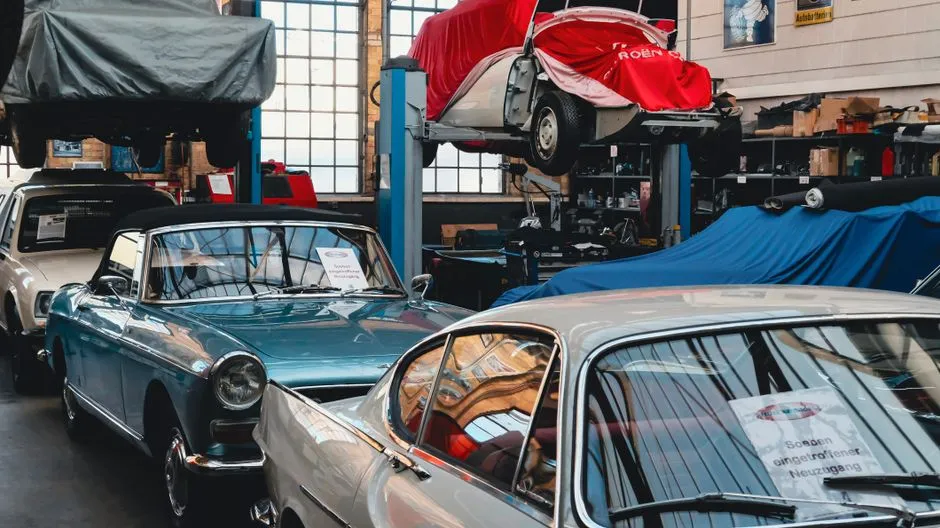
Choosing the bay
For classic and collector vehicles, indoor storage is the only serious option. Outdoor and even covered storage exposes finish, rubber seals, and weather stripping to UV and moisture cycling that significantly shortens cosmetic life. Look for a facility that offers indoor bays with concrete floors (sealed if possible), temperature stability if not full climate control, individual lighting, and electrical outlets on every bay for battery maintainers.
Costs vary widely by metro and amenity level. Expect $150-400/month for a standard indoor bay, with climate-controlled premiums of 20-40% on top. For high-value vehicles, the premium is small relative to depreciation prevention.
Pre-storage protocol
- Top off fuel tank and add stabilizer (Sta-Bil, Star Tron, or PRI-G). Drive 10-20 miles after adding to circulate.
- Change oil and filter immediately before storage — contaminated oil is corrosive over months.
- Check coolant level and condition; top off or change if past interval.
- Inflate tires to 5-10 PSI above normal to reduce flat-spotting; consider tire cradles for storage over 6 months.
- Wash and wax thoroughly; clay-bar if needed. Stored cars develop water spots and contamination if dirty.
- Treat rubber seals and weather stripping with a silicone or 303 product.
- Connect a quality battery maintainer (CTEK, NOCO, BatteryMINDer). Disconnect the negative terminal if no maintainer is available.
- Plug exhaust and intake openings with steel wool or rags to prevent rodent intrusion.
- Use a soft, breathable indoor cover. Never use a tarp on a stored car.
During storage
For storage periods over 90 days, plan to visit monthly when possible. Check battery voltage, look for fluid leaks under the car, inspect for any signs of pest intrusion, and verify the tire pressure has not collapsed. If the facility offers it, periodic engine starts (with the car driven on the property) help, but only if the engine reaches operating temperature — short idle starts are worse than no starts at all.
The annual drive
For storage over 12 months, plan an annual extraction even if you do not intend to use the car. Replace fluids if past interval, run the engine to full operating temperature, drive the car gently for 20-30 miles to circulate fluids and seat seals, and inspect for any new issues that emerged during the year. This single annual cycle catches most problems early and costs far less than discovering them after multi-year neglect.
Insurance considerations
Collector car insurance (Hagerty, Grundy, American Modern) typically covers stored conditions and is significantly cheaper than standard auto insurance for limited-use vehicles. Verify your policy covers comprehensive while in storage, and confirm the storage location is approved. For high-value cars, agreed-value coverage is essential — actual cash value calculations on collectibles rarely match market.
Find the right facility
Ready to put this guide to work? Browse storage by category or find facilities in your state.